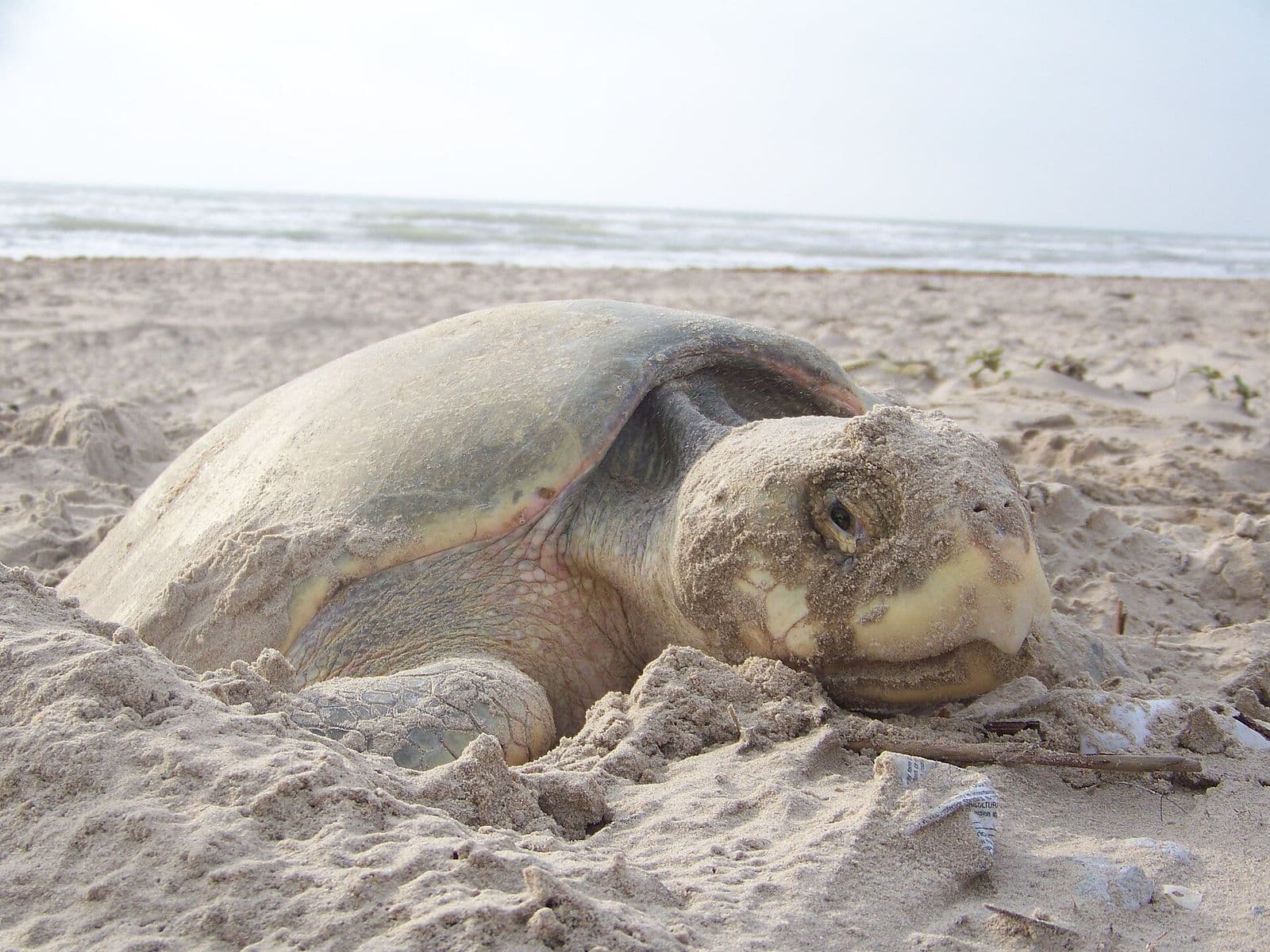
Few mornings on the Texas coast beat it: standing on a roped-off stretch of beach just after dawn, watching a tray of silver-dollar-sized sea turtles scramble across the sand and vanish into the first wave. Padre Island National Seashore runs public hatchling releases of the Kemp's ridley — the world's most endangered sea turtle — and they're free, family-friendly, and worth rearranging a trip for.
Why Padre Island matters for this turtle
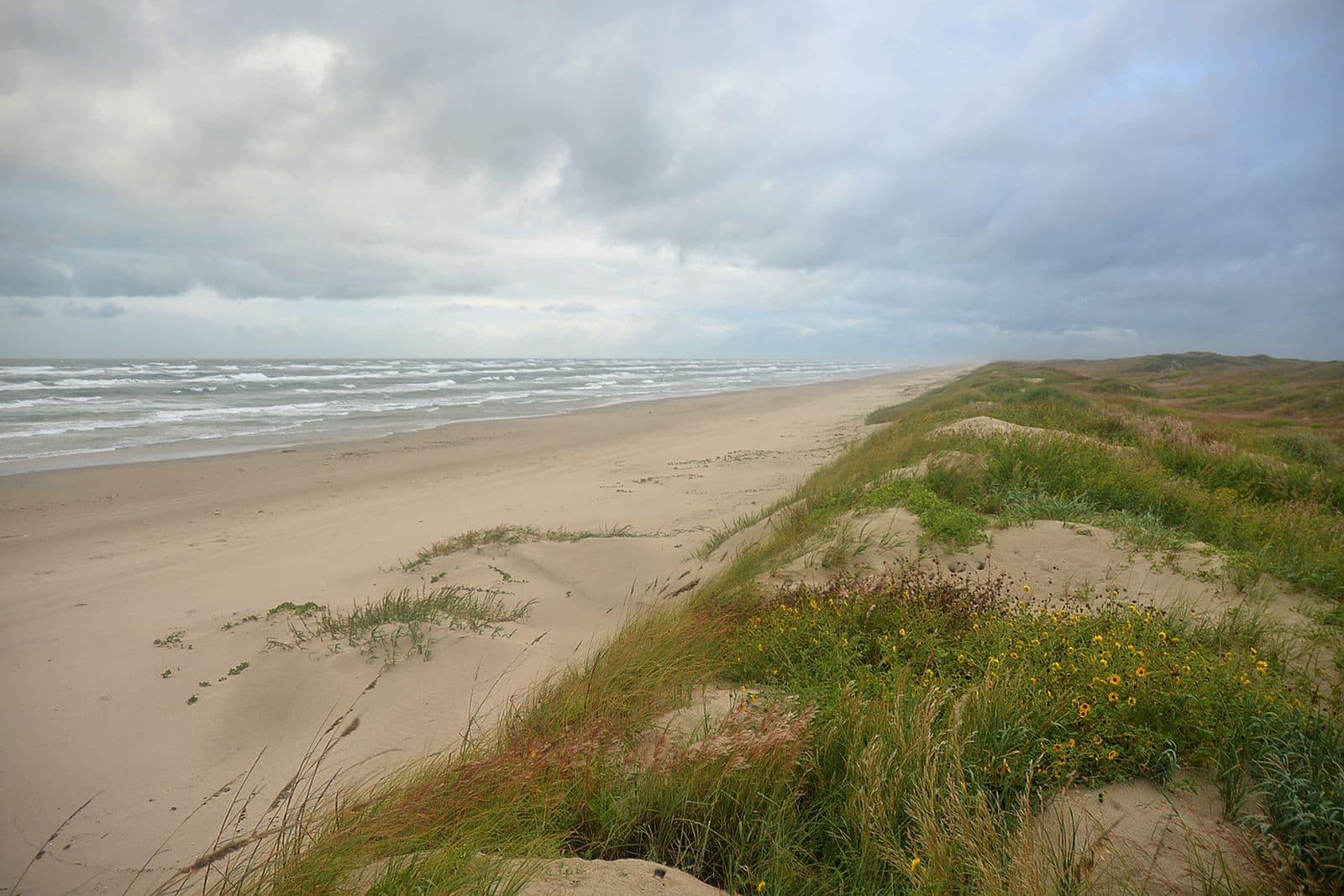
The Kemp's ridley nearly went extinct, and Padre Island National Seashore is the most important nesting beach for the species in the United States. The park's Division of Sea Turtle Science and Recovery patrols the beaches each spring, protects the nests in a climate-controlled incubation facility, and then returns the hatchlings to the Gulf — often in front of a crowd of visitors who came out just to see it.
When releases happen
Public releases generally run from mid-June through August, during peak hatching season. They are not scheduled on a fixed calendar — turtles hatch when they're ready — so a release is confirmed only a day or two ahead. Most start very early, around 6:45 a.m., to spare the hatchlings the heat and to give them the calmest water. Plan to be a summer early-riser.
Call the Hatchling Hotline
The park runs a recorded Hatchling Hotline at 361-949-7163. Call the evening before or check the park's official channels — it's updated when a release is confirmed for the next morning. No release is ever guaranteed on a given day, so build in flexibility.
What the morning looks like
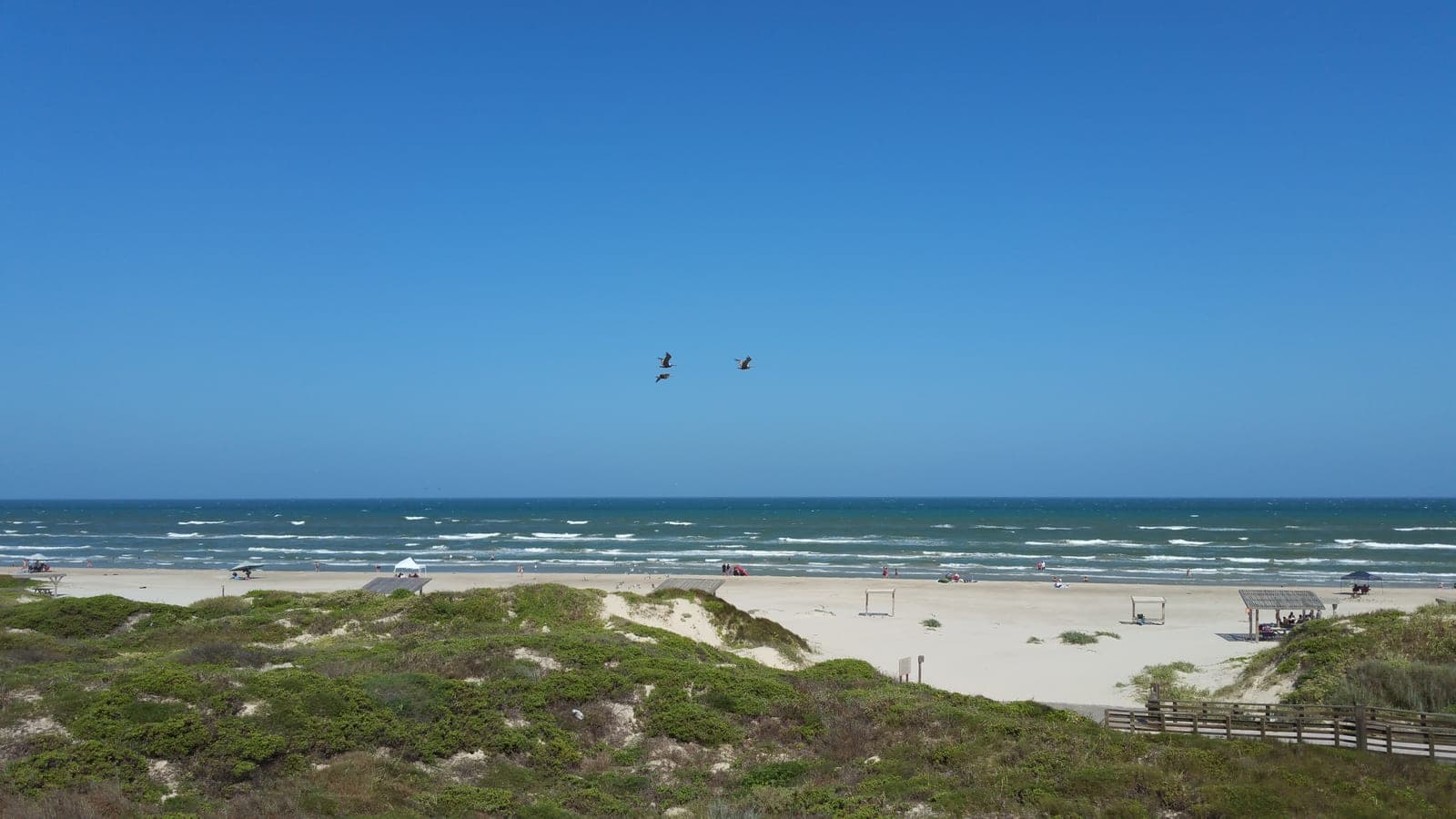
Releases are held at Malaquite Beach, near the visitor center. Arrive early to park and walk down to the roped corridor that rangers set up on the sand. A biologist talks the crowd through the story of the turtle and the recovery program while the hatchlings are kept cool. Then the little turtles are set down and make their own dash to the water as everyone watches from behind the line.
- Get there 20–30 minutes before the posted start time — parking and the walk take longer than you think
- Bring water, a hat, and sunscreen; even at 7 a.m. the sun is strong
- Leave the dog at home — pets aren't allowed at releases
- Stay behind the ropes and don't touch the hatchlings; let them crawl on their own
- Skip the flash photography, which can disorient the turtles
If there's no release that day
Hatching is unpredictable, so have a plan B that's just as good: you're already inside the National Seashore at sunrise. Walk Malaquite's guarded beach, drive South Beach, or head over to Bird Island Basin on the Laguna side. The visitor center has exhibits on the turtle program if you want the full story regardless.
How to actually catch one
Releases are confirmed at most a day ahead, so these are the only sources that matter — the park's own announcements.
- Hatchling releases — official NPS pageThe park's release page: season dates, what to expect, and updates when a release is scheduled. Releases typically start around 6:45 a.m. at Malaquite Beach.nps.gov
- The Hatchling Hotline (recorded)The recorded line the park updates when a release is confirmed for the next morning — call the evening before.(361) 949-7163nps.gov
- Padre Island NS on FacebookThe park posts release announcements and morning-of updates here alongside the hotline.facebook.com
- Found a nesting turtle or stranded hatchling?Report sightings to the park's sea turtle line so biologists can protect the nest.1-866-887-8535nps.gov
The other guides cover everything from beach permits to paddling trails.
Browse all guides