Moving to the coast is a dream right up until the insurance quotes arrive. The good news: with the right order of operations, a move to Corpus Christi and Padre Island is smooth and very affordable by Texas standards. This is the checklist locals wish someone had handed them.
1. Pick your area before your house
Island canal life, suburban Southside, family-focused Calallen, walkable downtown, or a Port Aransas beach house all feel like different lives. Spend a few days in each before you fall for a listing. Commute, school zoning, and flood maps all shift block to block.
2. Build the real coastal budget
Texas has no state income tax, which is a genuine win. But two line items surprise newcomers: property taxes (higher here to make up for no income tax) and coastal insurance — windstorm plus flood. Always get an insurance quote for the specific address before you make an offer; it can swing by thousands depending on elevation and distance from the water.
- Mortgage or rent
- Property taxes (budget generously)
- Windstorm insurance
- Flood insurance (check the FEMA flood zone)
- Standard homeowners or renters insurance
- Higher summer electric bills (AC runs hard)
- Water awareness — the region cycles through drought-stage watering restrictions, so check the city's Water Supply Dashboard
3. Sort out work and internet
The economy leans on the Port of Corpus Christi, energy and refining, healthcare, the military, education, and a growing clean-energy sector. Remote workers do well — just confirm internet service for rural or far-Island addresses, where options thin out.
4. Map schools to the exact home
Flour Bluff ISD, Calallen ISD, and several CCISD campuses have strong reputations, but zoning is address-specific. If schools matter, verify the assigned campus for any home before you commit.
5. Make a storm plan on day one
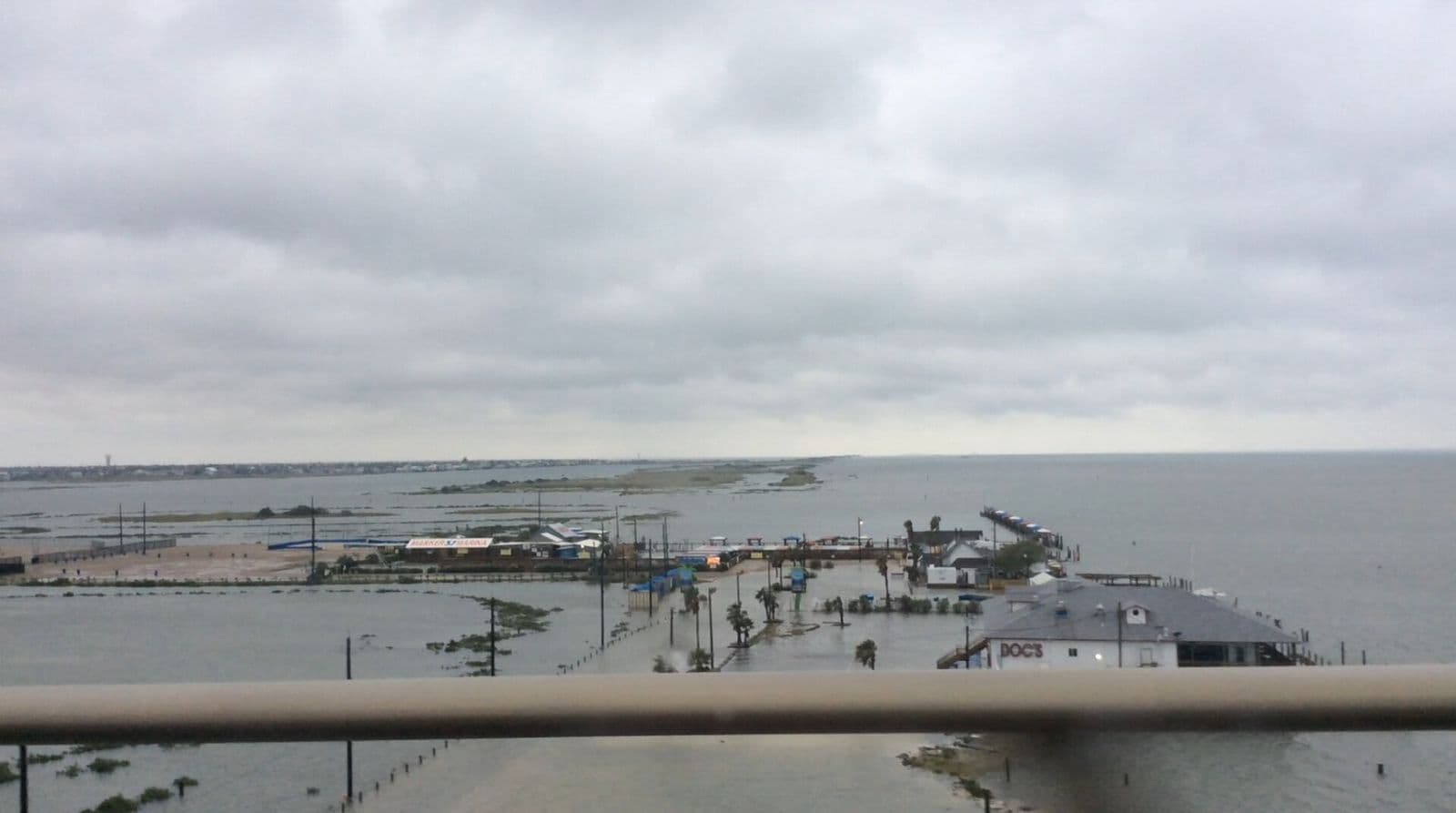
Hurricane season runs June through November. It's not a reason to avoid the coast — it's a reason to be prepared. Set up your evacuation plan, keep an insurance binder and important documents together, and build a basic go-bag before you ever need it.
The newcomer move that pays off
Introduce yourself to neighbors early. In a storm-aware community, the people next door are your best source for which roads flood, which contractors are honest, and when it's actually time to leave.
6. Become a local
Get a Texas saltwater fishing license, learn the tide charts, find your taco spot, and say yes to the first sunset invite on the seawall. By your second season, you'll be the one giving newcomers this list.
The other guides cover everything from beach permits to paddling trails.
Browse all guides