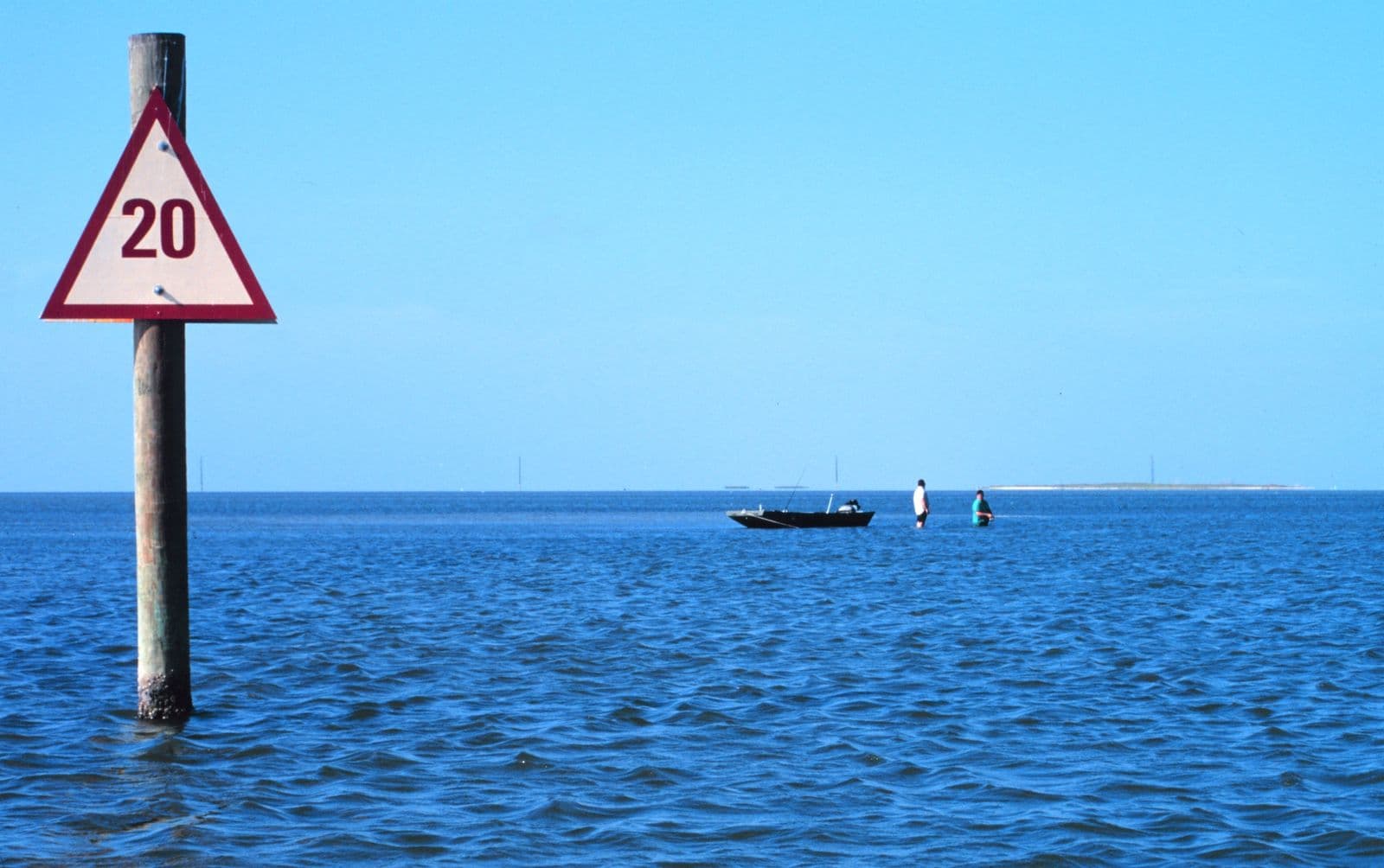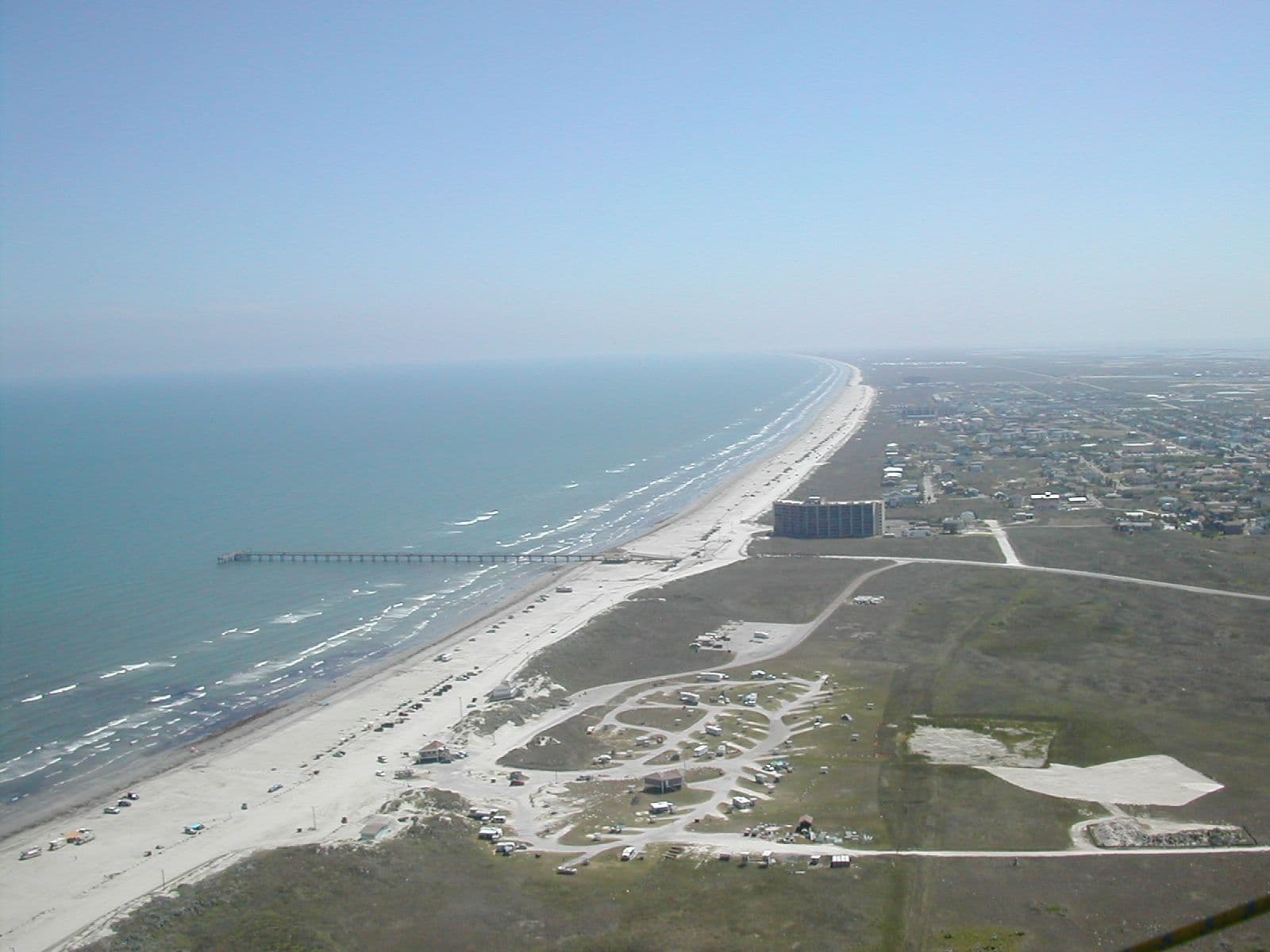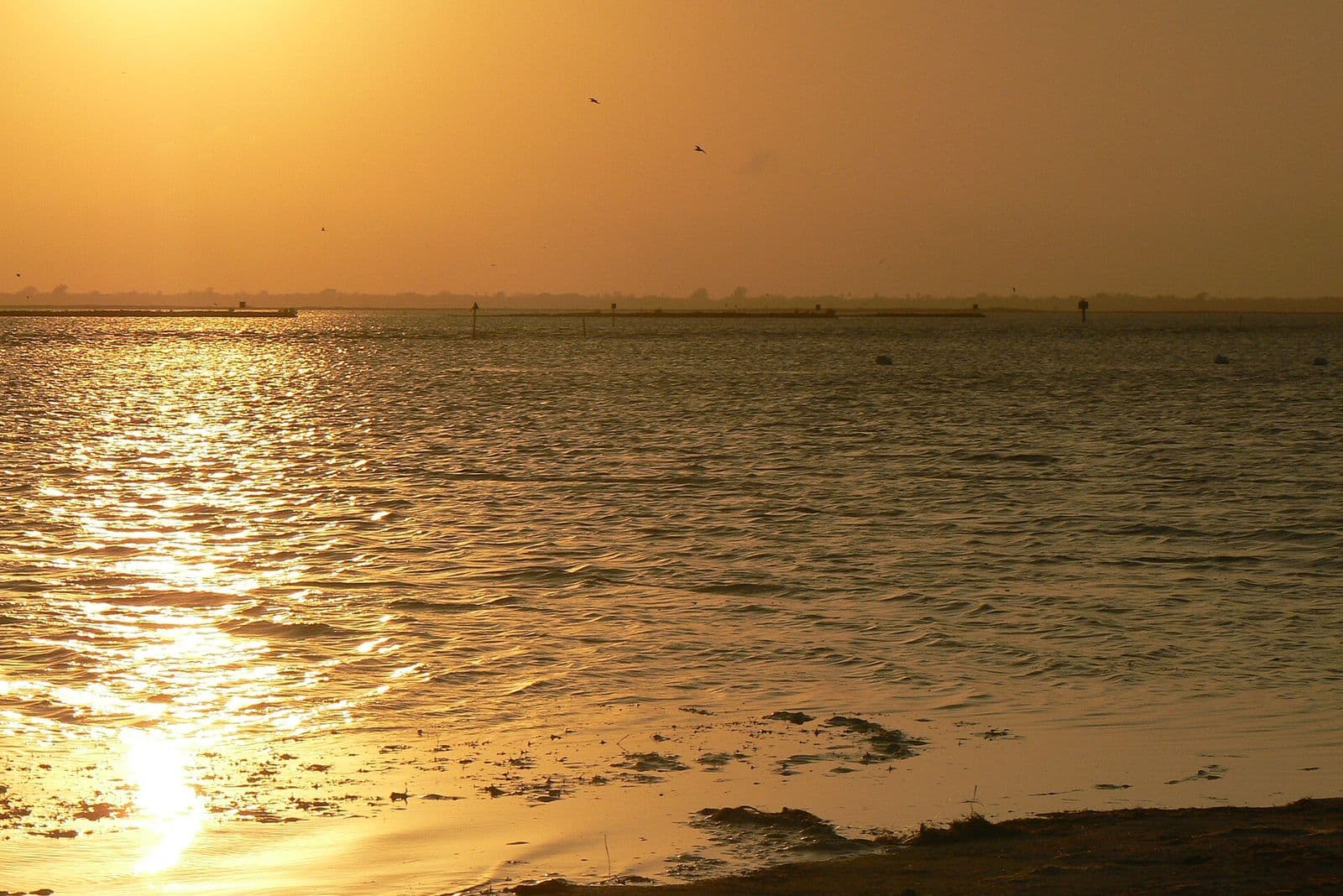
The Coastal Bend is one of the great fishing addresses in America — Port Aransas was officially named the 'Fishing Capital of Texas' in 2025. The beauty of it is the range: you can fish three completely different waters on one trip, from ankle-deep grass flats to the deep blue offshore.
The inshore flats: Laguna Madre & the bays
The Laguna Madre — a rare hypersaline lagoon, shallow and clear and carpeted in seagrass — is a flats fishery with a national reputation, right off North Padre. Wade the grass, paddle a kayak, or pole a skiff and sight-cast to redfish (red drum), speckled (spotted) trout, black drum, southern flounder, and sheepshead. Early mornings and moving tides are prime.
The fall runs: bull reds and flounder
Autumn is the headline season. As the water cools, the biggest 'bull' redfish — over 30 inches — stack up at the Aransas Pass jetties, the passes, and the surf to spawn. These are over the keeper slot, so it's a catch-and-release trophy game. Around the same time, southern flounder migrate out through the passes in the famous 'flounder run.' Texas closes flounder harvest for part of the fall to protect the spawn, and the exact dates shift year to year — check the current Texas Parks & Wildlife rules before you keep one.
Jetties and piers — no boat required
- Bob Hall Pier at Padre Balli Park on North Padre — rebuilt stronger after Hurricane Hanna and reopened in February 2026, with a new pier-top restaurant slated to follow late in the year
- The Packery Channel jetties — a fish highway between the Laguna and the Gulf
- The Port Aransas jetties on the Aransas Pass ship channel — ground zero for the fall bull-red run
- Horace Caldwell Pier in Port Aransas — a lighted county pier
Note that parking near several of these spots needs a Nueces County beach permit, and the piers charge a small entry plus a per-rod fee — easy to sort out on arrival.
Going offshore from Port A
Book a charter out of Port Aransas and run to the blue water for king mackerel, ling (cobia), red snapper, tuna, dorado (mahi-mahi), and wahoo — with billfish like marlin and sailfish farther out. One thing to know: red snapper is federally managed, and its seasons differ between state and federal waters and between charter and private boats, changing every year. Your captain will know the current rules.
Get your own license first
Anyone 17 or older needs a Texas fishing license with a saltwater endorsement to fish public salt water. Crucially, a charter captain's guide license does NOT cover you — every angler buys their own before the trip. Bag, size, and possession limits are set by Texas Parks & Wildlife and change, so check the current Outdoor Annual before you keep a fish.
Don't mix up your 'reds'
Two completely different fish share the nickname. 'Redfish' (red drum) is the copper-colored inshore game fish you wade for on the flats. 'Red snapper' is a deep-water reef fish under federal management offshore. Different waters, different rules — keep them straight.
Licenses, limits & water conditions
Regulations shift every season and the water changes every day — these are the pages serious local anglers keep bookmarked.
- Buy a Texas fishing licenseTPWD's official online license sales. A resident all-water package runs $40, saltwater $35 (2026 rates); everyone 17+ needs their own, even on a charter.txfgsales.com
- Fishing licenses & packages explainedThe Outdoor Annual's rundown of packages, endorsements, and the current bag and length limits.tpwd.texas.gov
- Live tides — Port Aransas stationNOAA's active Port Aransas gauge for real-time water levels; moving water is feeding water.tidesandcurrents.noaa.gov
- NWS surf zone forecastWind, surf heights, and rip current risk for the beachfront and jetties, from the Corpus Christi forecast office.weather.gov
The other guides cover everything from beach permits to paddling trails.
Browse all guides